
Overview:
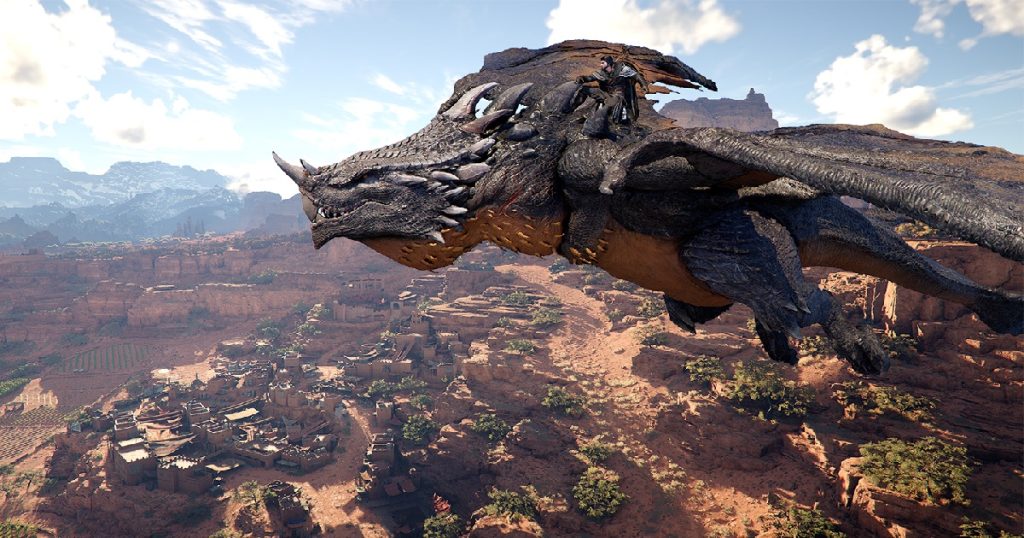
Crimson Desert is shaping up to be one of the most ambitious open‑world action RPGs in years. Its sprawling continents, dynamic weather, and densely packed towns create a world that feels genuinely alive—but only the most powerful PCs will see it at its full potential. On ultra‑high‑end hardware, the game’s visuals are nothing short of jaw‑dropping, from hyper‑detailed character models to sweeping landscapes that look almost photographic.
The gameplay goes beyond spectacle, too. Combat blends weighty melee strikes with fluid movement and tactical options, while exploration rewards curiosity with hidden encounters, shifting events, and a surprising amount of player freedom. There’s a sense that the game is constantly trying to surprise you, whether through its story beats or its evolving world systems.
But how well does all of this hold up once you dig deeper? And does the experience stay as strong outside of top‑tier hardware?
ESRB Rating
Rated M (Mature 17+)
- Blood
- Drug Reference
- Strong Language
The Good
- Amazing graphics (on certain devices)
- Great world design
- Deep gameplay mechanics
- Lots of side content
- Insanely fast load times
The Bad
- Gameplay gets repetitive fast
- Steep learning curve
- Clunky controls
- Performance issues on certain machines
- No cohesive story elements
- Forced minigames
- Non existent storage options in game
- Bland characters
Honest Rating
2.75 Stars
Honest Review
Crimson Desert is a game that makes an unforgettable first impression, especially if you’re playing on a high‑end PC or the PS5 Pro. On capable hardware, the visuals are nothing short of astonishing—lush forests, sweeping deserts, and bustling towns rendered with a level of detail that borders on obsessive. It’s the kind of game where you catch yourself pausing just to admire the lighting or the interactions between the townsfolk. The world design reinforces that sense of immersion, offering a massive, beautifully crafted landscape that feels alive, layered, and worth exploring. Every region has its own personality, and the sheer density of environmental detail makes wandering off the beaten path feel genuinely rewarding.
The gameplay systems are equally ambitious. Combat is deep and flexible, with a wide range of abilities and weapon types that encourage experimentation. There’s a satisfying weight to the action, and players who enjoy mastering complex mechanics will find plenty to sink their teeth into. The game is also overflowing with side content—optional bosses, hidden encounters, exploration challenges, and activities that constantly tempt you away from the main path.
But as impressive as Crimson Desert can be, it’s also a game that struggles to maintain its momentum. The core gameplay loop becomes repetitive surprisingly quickly, with many missions following similar structures and combat encounters blending together after a while. The learning curve is steep, and the game offers almost no handholding, which can make the early hours feel overwhelming for players who aren’t already comfortable with complex action systems. Controls can also be frustrating, especially on controllers where multiple actions are mapped to the same buttons, leading to frequent misinputs (jumping and interacting) and a general sense of clunkiness.
Performance is another mixed bag. While the PS5 Pro and high‑end PCs showcase the game at its best, the base PS5 and Xbox Series X struggle. Performance mode often looks blurry due to aggressive resolution scaling, which undermines the game’s visual strengths and makes most areas look noticeably muddy. The story doesn’t help either—narrative cohesion is almost nonexistent, with main and side missions blending together in a way that makes it hard to tell what’s actually important. The pacing feels scattered, and the game never quite establishes a clear emotional or thematic throughline. Forced minigames interrupt the flow and even block main story progress, which more often than not feels like padding rather than meaningful gameplay.
There are also some baffling design oversights, like the complete lack of a storage system for loot and upgrade materials – this is very surprising for a game overflowing with items, resources, weapons and armors (all of which look really cool). Inventory management takes a big hit from this and often becomes a constant annoyance, especially when you’re trying to experiment with different builds or gear combinations.
Characters feel underdeveloped. Many NPCs lack personality, and the protagonist, Kliff, rarely reacts to the world around him which makes it difficult to fully invest in the narrative. His reluctance for interaction stands in stark contrast to the world’s visual vibrancy, making story moments feel oddly flat.
Crimson Desert is a fascinating contradiction: a visually stunning, mechanically rich experience wrapped in uneven design and puzzling gameplay and design decisions. When it works, it’s breathtaking. When it doesn’t, it’s frustrating. Whether the good outweighs the bad will depend heavily on your hardware, your patience, and what you value in an open‑world game. There’s brilliance here, no question but unfortunately as the game stands right now – it’s buried beneath enough rough edges that not everyone will have the patience to uncover it.